
As a drone enthusiast you may have heard the terms VLOS, EVLOS and BVLOS, but do you understand what these terms actually mean?
Standard drone operations within the UK are permitted within the Open and Specific categories as long as the remote pilot maintains Visual Line of Sight with the aircraft at all times.
As per CAP 722 ‘Operating within VLOS means that the remote pilot must be able to clearly see the unmanned aircraft and the surrounding airspace at all times while it is airborne. The key requirement of any flight is to avoid collisions and a VLOS operation ensures that the remote pilot is able to monitor the aircraft’s flight path and so manoeuvre it clear of anything that it might collide with.’
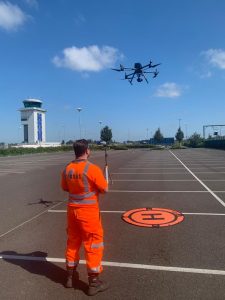
For VLOS operations the use of telescopes or binoculars are not permitted, as these can limit your peripheral vision. But you are permitted to use corrective glasses or contact lenses.
The aircraft and surrounding airspace must be monitored by the remote pilot’s eyes at all times.
All operations within the Open category must be under VLOS conditions. If you are planning to fly in the Open category consider completing the A2 CofC to afford more flexibility in flying your drone, for more information click here.
All operations in the Specific Category under a CAA approved Operational Authorisation (PDRA 01) must be conducted under VLOS conditions, unless an exemption has been agreed by the CAA. In order to fly in the Specific Category the remote pilot must hold a GVC for more information click here.
EVLOS operations allow the flight of an unmanned aircraft beyond the visual sight of the remote pilot by using ‘trained observers’ to keep the aircraft within their view, collision avoidance is still achieved through the ‘unaided visual observation’ of a human.
CAP 722 states that EVLOS operations may only be conducted within the Specific Category under the terms of an Operational Authorisation issued by the CAA, based on a risk assessment.
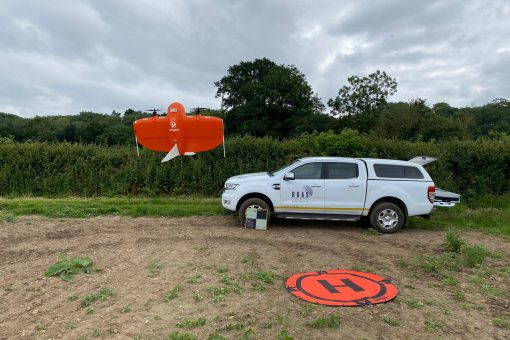
Here at RUAS, as part of our Operational Authorisation, our pilots are permitted to fly EVLOS with a number of different aircraft including the WingtraOne and the DJI Matrice 300 RTK. The flying distance is increased with the use of trained observers. This exemption is subject to various conditions, one of which, passing an EVLOS annual flight assessment, details of RUAS EVLOS Flight Training can be found here.
CAP 722 describes BVLOS operations as the ‘Operation of an unmanned aircraft beyond a distance where the remote pilot is able to respond to or avoid other airspace users by direct visual means.’ Therefore, allowing the remote pilot to fly their drone completely out of the visual sight of any human.
BVLOS operations are not permitted under the UK CAA’s ‘standard permissions’. In order to be granted permission to fly BVLOS the CAA require the unmanned aircraft to have a technical capability to ‘see and avoid’ potential confliction (this is referred to as Detect and Avoid – DAA). More detail of DAA can be found in CAP 1861 – Detect and avoid ecosystem for BVLOS in non-segregated airspace.
The remote pilot may also require a block of airspace to operate in that is ‘segregated’ from all other aircraft.
The remote pilot would need to provide clear evidence that the intended operation will pose ‘no aviation threat’. The safety of persons and property on the ground are of the highest importance and the CAA need to be satisfied that this has be sufficiently addressed.
Any application to the CAA as a request to fly Beyond Visual Line of Sight will need to be accompanied with an Operational Safety Case outlining the safety systems that you have in place, the CAA will then make a decision whether to grant a BVLOS authorisation based on this.

Article
As a drone enthusiast you may have heard the terms VLOS, EVLOS and BVLOS, but you may be unsure of what these terms actually mean.
Article
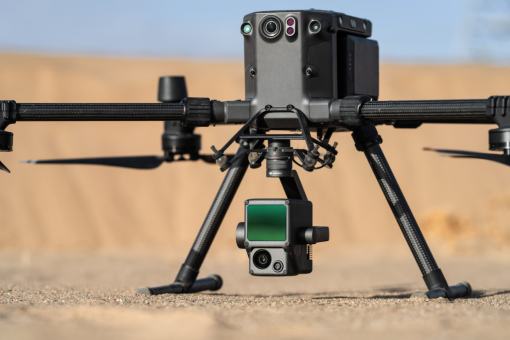
The DJI P1 and L1 respectively have both been long awaited additions to the ever-expanding capabilities that DJI have to offer.
Article
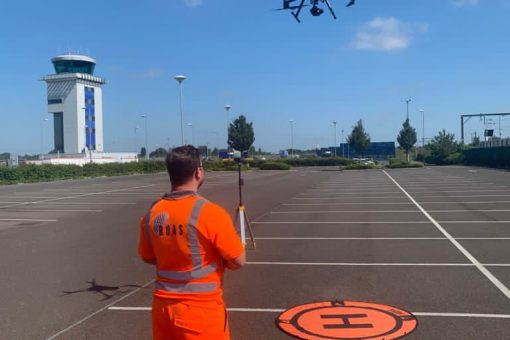
A standard part of any drone pilot’s day is to clarify the airspace you’re working in and the severity and impact that an unmanned aircraft’s presence has there and co-ordinate accordingly. Often, it might not even be much of an issue, operating safely well outside of any airfield or heliport activity.
Article
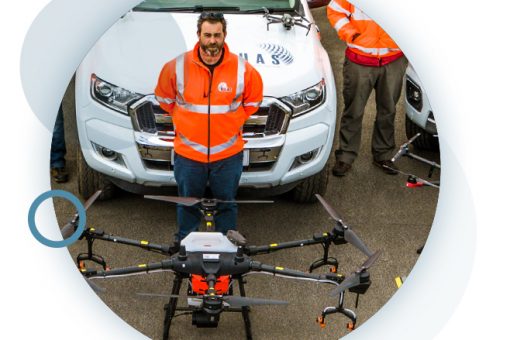
A huge well done to the head of RUAS – Tim Harris in achieving the Global Runner-Up for the Airwards – People’s choice award.
Article
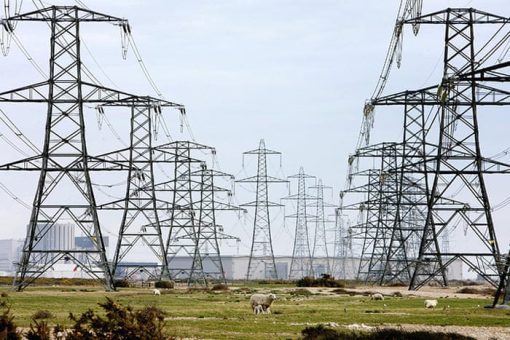
The UK and many other countries in the world often have huge amounts of transmissions towers criss-crossing the landscape, creating an effective network that allows its residents access to electricity and tele-communications. Given these two elements are critical to our modern-day way of life, it makes sense that the structures that facilitate nationwide access to them are maintained to the highest standard.
Article
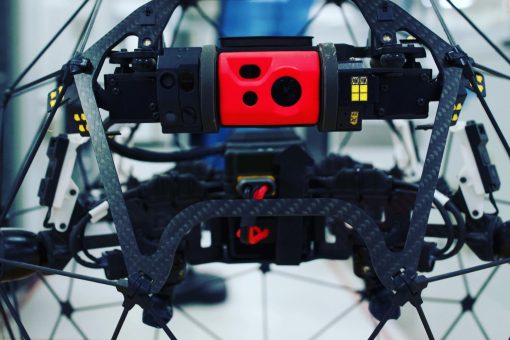
The infrastructure and oil and gas sectors respectively, are without a doubt one of the most hazardous industries to work in. Working in difficult condition to complete dangerous work, new solutions are constantly being presented to make the lives of these workers safer.